
About Us
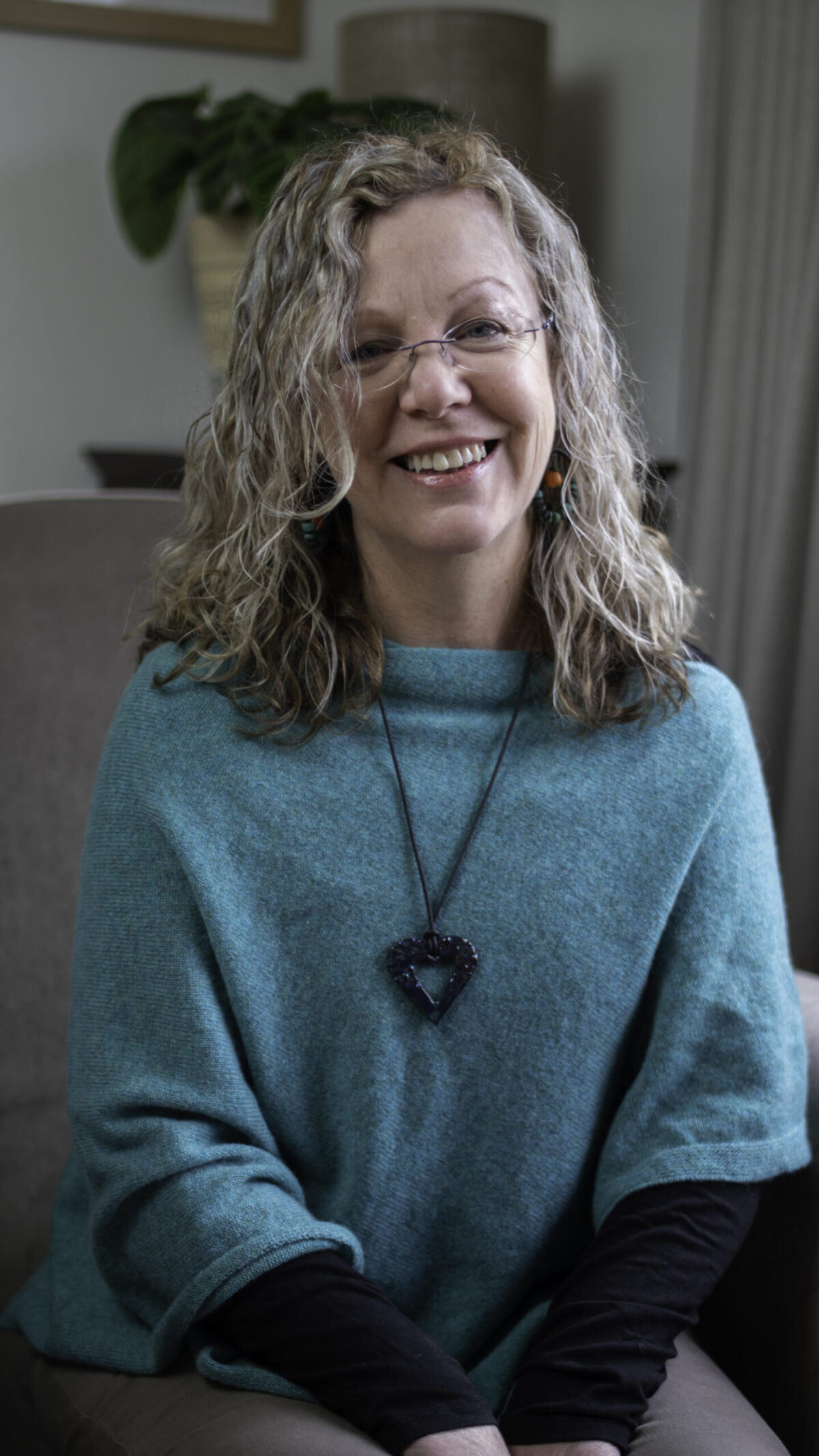
Susan Simpson
I’m an Australian who has been living in Scotland for over 20 years. In my spare time, I love walking and running in nature — I feel privileged to live in a country with so much natural wilderness.
Since qualifying as a Clinical Psychologist in the mid-90s, I have mostly specialised in working with individuals with eating disorders. I am constantly learning, both from my own clients and through my research in this field. Outside of my face-to-face work, I invest a great deal of time and energy in staying up-to-date with the latest innovations in the treatment of eating disorders, trauma, and related issues such as PTSD, OCD, social anxiety, generalised anxiety, and depression. I have over 25 years of experience working in the NHS, and have served on working groups to develop the Scottish national guidelines for the treatment of eating disorders (SIGN, MATRIX).
I understand that eating disorders are rarely just about food, and that not everyone benefits from a standard, one-size-fits-all approach.
It’s a deep privilege for me to walk alongside my clients on their healing journeys.
Here’s a little more about how I approach therapy and the values that guide my work.
I have a background in CBT-E (Cognitive Behavioural Therapy for Eating Disorders), but over time I became drawn to more holistic, person-centered approaches.
I now specialise in Schema Therapy for Eating Disorders, which provides a deeper framework for working with the whole person, not just the eating disorder symptoms. Schema Therapy is a warm and compassionate approach that helps you heal from the inside out — focusing not only on your relationship with food and body image, but also on deeper layers such as your sense of self-worth, emotional needs, and relationships. It helps us understand how difficulties with eating can often be signs of unresolved interpersonal struggles and missing “emotional nutrients” from earlier in life. I am passionate about this approach to recovery, and am a trainer and have written several books, book chapters, and research papers on this area.
Another therapy I use is Deep Brain Reorienting (DBR), developed by Scottish psychiatrist Dr. Frank Corrigan. DBR works with the brain’s natural healing ability by tapping into the body’s early shock responses — the subtle head movements, bracing, or shudders that occur even before conscious thoughts, emotions, or eating urges arise.
Rather than focusing solely on surface symptoms, DBR helps us gently access the deeper, often unconscious, trauma responses stored in the body and brainstem. It works by following the natural sequence of how experiences are encoded in the brain: first the orienting response (e.g., turning toward a sudden sound before you’re even aware of it), then the shock, then the emotional reaction.
By slowing down these responses and using the body’s own healing system, we can process and clear the tension and bracing patterns that were attached to past traumas or attachment wounds — helping you feel safer and freer in the present.
Your brain already knows how to heal — my role is simply to help guide and support that natural process.
Recovery, to me, is not just about reducing eating difficulties.
It’s about changing the way you see yourself — reclaiming your identity, your voice, and your right to take up space in the world.
If what you’ve read here resonates with you, I would be honoured to walk alongside you on your journey toward healing and freedom.

Hazel Elliott
I left school with the goal of studying my passions – food and helping people. So, a degree in Dietetics sounded like the best direction and has proved to be a rewarding career choice. Once graduated I spent some time working in large teaching hospitals in Scotland before travelling and working abroad. On returning to the UK, I again consolidated my learning in a wide variety of clinical areas before pursuing my ambition to work with young people and adults with eating disorders in an in-patient unit.
That was 18 years ago and I have continued my learning through working in 2 in-patient units with the most amazing multi-disciplinary teams. This has exposed me to a wide variety of psychological tools to underpin my dietetic work. I have worked on national eating disorder guidelines, Scottish Government working groups and I sit on the Royal College of Psychiatrists Accreditation Committee for Eating Disorder services in the UK, having chaired this group for the past 2 years.
I remain passionate about helping people find their path to recovery and I feel privileged to know people who have recovered from an eating disorder and this inspires me in my work. I truly believe recovery is possible for anyone living with an eating disorder.
When I’m not working with clients, I enjoy family life with our mad cockapoo, taking time out for dog walks, yoga, trying new recipes and travelling when I can to experience food in different countries.
I can’t wait to connect with you and help you reach your goals, one step (and one meal) at a time.